The evolution of gambling a journey through history's games and wagers
Origins of Gambling: A Glimpse into Antiquity
The roots of gambling can be traced back to ancient civilizations, where games of chance and skill played a significant role in societal interactions. Archaeological evidence reveals that as early as 3000 BC, the Chinese were engaging in gambling activities involving rudimentary dice. Similarly, in ancient Rome and Greece, the populace participated in games that not only entertained but also fostered a sense of community through wagering on sports and games. Today, players can explore a variety of options, including the best online pokies, which reflect this enduring fascination.
As these early societies evolved, so did their gambling practices. The Romans, in particular, established elaborate betting systems around gladiatorial games, showcasing the human fascination with risk and reward. This not only provided a source of entertainment but also a method of engaging in social commentary and showcasing one’s wealth. The integration of gambling into the public sphere marked the beginning of a long-standing relationship between culture and wagering.
Moreover, gambling in antiquity often had spiritual undertones, with divination and oracles influencing the outcomes of bets. This connection between fate and chance speaks to the timeless allure of gambling. People sought to understand their destinies through games, and this blend of chance and belief laid the groundwork for future gambling systems that would emerge across the globe.
The Middle Ages: Gambling in Transition
The Middle Ages witnessed significant transformations in gambling as social structures changed and new games emerged. Despite the Church’s efforts to curtail gambling activities, the desire to wager on games remained strong. The introduction of playing cards in Europe during the 14th century revolutionized the gambling landscape, leading to the development of various card games that remain popular today. These innovations provided new avenues for gambling, contributing to a thriving underground gambling culture. In fact, the myths about gambling have only added to its mystique.
The concept of casinos began to take shape during this period, particularly in Italy. By the 17th century, public gambling houses started to flourish, attracting patrons from all walks of life. These establishments offered a social space for gaming, where the lines between entertainment and gambling blurred, solidifying its place in daily life. The rise of these venues also led to the establishment of rules and regulations, signifying a transition from informal gambling to more structured forms of play.
Moreover, the rise of organized gambling laid the foundation for later developments in the gambling industry. The establishment of lotteries and other games of chance showcased the growing acceptance of gambling as a legitimate pastime. This evolution not only marked a departure from ancient practices but also set the stage for the modern gambling landscape that would emerge in the centuries to come.
The Rise of Modern Gambling: The 19th and 20th Centuries
The 19th century ushered in a new era for gambling, particularly with the industrial revolution which transformed societal norms and economic structures. This period saw the emergence of betting on horse racing and the establishment of racetracks, allowing individuals to wager on their favorite horses. The introduction of state-sponsored lotteries also gained momentum during this time, providing a new method for governments to generate revenue while appealing to the public’s gambling interest.
The invention of the slot machine in the late 1800s marked another pivotal moment in gambling history. Initially considered a simple amusement, these machines evolved into a staple of casinos, offering patrons the chance to win large payouts with minimal effort. This innovation contributed to the commercialization of gambling and enabled the creation of lavish casinos, particularly in cities like Las Vegas, which would become synonymous with gambling culture.
The 20th century further amplified the growth of gambling, especially with the legalization of casinos in the United States during the mid-century. Las Vegas transformed from a desert town to a bustling hub of gambling and entertainment, attracting millions of visitors annually. This era not only popularized gambling as a leisure activity but also spurred advancements in gambling technologies and regulations, paving the way for the digital gambling revolution.
Gambling in the Digital Age: Online Casinos and Mobile Gaming
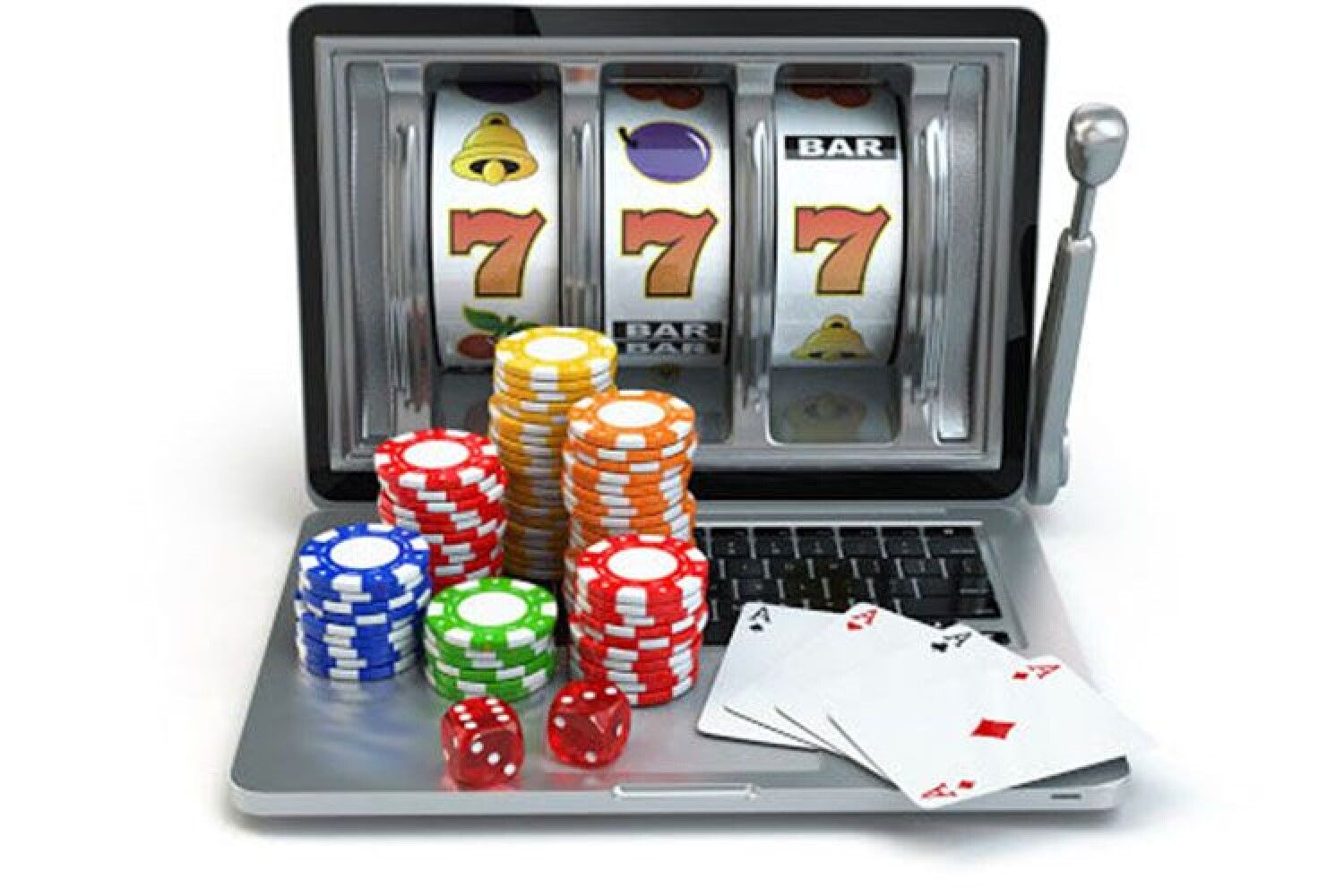
The advent of the internet in the late 20th century brought about a seismic shift in the gambling landscape. Online casinos began to emerge, allowing players to engage in their favorite games from the comfort of their homes. This evolution democratized gambling, making it accessible to a broader audience and eliminating geographical constraints. The convenience of online platforms reshaped traditional gambling practices, introducing new games and betting options.
Furthermore, mobile gaming has revolutionized the way individuals interact with gambling. With the proliferation of smartphones, players can now access online casinos and betting platforms anytime and anywhere. This shift has not only enhanced user experience but has also increased the frequency of play, contributing to a booming global gambling market. Mobile apps and responsive web design ensure that gamblers have an enjoyable experience, regardless of the device they use.
As technology continues to advance, the future of gambling looks promising with innovations like virtual reality (VR) and augmented reality (AR) on the horizon. These technologies have the potential to create immersive gambling experiences that mimic real-life casino environments, further blurring the lines between physical and digital gambling. The ongoing evolution of gambling reflects societal changes and technological advancements, continually reshaping how games and wagers are perceived.

Exploring the Evolution of Gambling Today
Today, gambling is a multifaceted industry, with diverse offerings ranging from online casinos to sports betting and beyond. The myths and misconceptions surrounding gambling, such as the belief that luck solely determines outcomes, are increasingly being challenged. The modern gambling landscape emphasizes responsible gaming practices and informed decision-making, fostering a more sustainable approach for players.
Regulations have also evolved, with various governments implementing frameworks to ensure fair play and protect consumers. As the industry expands, it has become crucial for operators to maintain integrity and transparency, building trust with players. This evolving regulatory landscape reflects an increasing recognition of gambling as a legitimate form of entertainment rather than a mere pastime.
As we navigate through this fascinating journey of gambling’s evolution, it’s clear that games and wagers have significantly influenced cultures and societies. Whether engaging in a casual game with friends or exploring the latest online betting platforms, understanding the historical context enriches the experience. The ongoing evolution ensures that gambling remains a dynamic and engaging facet of human culture.